

The journey from Jinka to Turmi is more than simply a drive between two towns in southern Ethiopia. It is an introduction to the landscapes, cultures and everyday life of the Lower Omo Valley.
The journey from Jinka to Turmi is more than simply a drive between two towns in southern Ethiopia. It is an introduction to the landscapes, cultures and everyday life of the Lower Omo Valley. For travelers exploring this remarkable region, the road offers opportunities to experience traditional communities, discover colorful weekly markets and witness a way of life that remains closely connected to local traditions.
As a local tour guide originally from Jinka, I have traveled this route countless times with visitors from different parts of the world. Every journey brings something different. Sometimes it is the changing landscape, sometimes a spontaneous encounter with local people, and sometimes the excitement of arriving at a traditional market filled with people from surrounding communities.
In this article, I want to share my personal experience of driving from Jinka to Turmi, including road conditions, interesting stops along the way and the importance of understanding tribal market days when planning an Omo Valley journey.
Starting the Journey in Jinka: The Gateway to the Omo Valley
Jinka is an important starting point for exploring the cultural diversity of southern Ethiopia. Located in the South Omo Zone, it serves as a gateway to several indigenous communities, including the Mursi, Banna, Hamar, Karo, Dassanech and others.
Most journeys towards Turmi begin early in the morning. I usually recommend leaving Jinka with enough time to enjoy the journey rather than treating it simply as transportation between two destinations.
The distance between Jinka and Turmi is approximately 120 to 130 kilometres, depending on the route and stops. Driving time can vary considerably depending on road conditions, weather and the places travelers wish to visit.
Before leaving, I always encourage visitors to carry drinking water, sun protection and a camera. The journey is not particularly long in terms of distance, but there is plenty to discover along the way.
Road Conditions Between Jinka and Turmi
One of the questions I frequently receive from travelers planning an Omo Valley trip concerns road conditions.
The road between Jinka and Turmi passes through different landscapes and rural communities. Some sections are relatively straightforward, while others can become rough, dusty or uneven, particularly during the rainy season.
During dry periods, dust can be a challenge, especially when several vehicles are traveling along the same road. During rainy periods, certain unpaved sections may become muddy and difficult to navigate.
For this reason, I recommend traveling in a reliable 4x4 vehicle with an experienced local driver who understands the area.
Road conditions are not always predictable, and driving times should be treated as estimates rather than fixed schedules. This is particularly important for visitors who want to combine village visits and market experiences along the way.
From my experience, allowing flexibility in the itinerary makes the journey much more enjoyable.
Discovering the Banna Community Along the Way
One of the interesting cultural encounters between Jinka and Turmi is the Banna community.
The Banna are one of the indigenous communities of the Lower Omo Valley. Their traditional way of life is closely connected to livestock, agriculture, family relationships and local customs.
Travelers may encounter Banna people in villages, along rural roads and around local markets.
One particularly interesting aspect of Banna culture is the traditional stilt walking practiced by some young people. Visitors may occasionally see children and young men demonstrating their balance and skills on wooden stilts.
These encounters offer a glimpse into the creativity and everyday cultural life of the region.
I always encourage travelers to approach local communities respectfully. Photography should be based on mutual agreement, and visitors should remember that these are people's homes and everyday environments, not simply tourist attractions.
Understanding Tribal Market Days in the Omo Valley
For many travelers, traditional markets are among the most memorable experiences of an Omo Valley journey.
Markets are not just places where people buy and sell goods. They are important social meeting points where different communities gather, exchange agricultural products, livestock, household items and news.
Understanding the weekly market schedules is essential when planning a trip between Jinka and Turmi.
Key Afer Market
Key Afer is one of the best-known traditional markets in the region. It is particularly associated with the Banna community, although people from surrounding communities also attend.
The market is known for its colorful atmosphere, traditional clothing, agricultural products and everyday interactions between local people.
For photographers and cultural travelers, it provides an opportunity to observe the diversity of the Lower Omo Valley in one place.
Key Afer market traditionally takes place on Thursdays.
Dimeka Market
Dimeka is another important market in the Hamar region.
It is particularly interesting because of the strong presence of Hamar people, whose distinctive hairstyles, traditional clothing, beadwork and cultural identity are an important part of the region's heritage.
On market days, people from surrounding villages travel to Dimeka to sell and purchase goods, meet friends and participate in social activities.
Dimeka's main weekly market traditionally takes place on Saturdays.
Turmi Market
Turmi is one of the most important centers for visitors exploring Hamar territory.
Its weekly market is an excellent opportunity to observe local trade and social life. Hamar people from nearby villages gather to purchase essential goods, exchange products and meet one another.
The market traditionally takes place on Mondays.
What makes these markets particularly special is that they are genuine community gatherings. They are not organized performances for tourists. They are part of the everyday economic and social life of the people.
Market schedules can occasionally change because of local circumstances, so I always recommend confirming the latest information before organizing your journey.
Arriving in Turmi: The Heart of Hamar Territory
After traveling through the countryside and rural communities, arriving in Turmi introduces visitors to another important part of the Lower Omo Valley.
Turmi is widely known as an important center of Hamar culture.
The Hamar people are recognized for their distinctive traditional hairstyles, colorful beadwork, leather clothing and strong cultural traditions.
From Turmi, travelers can explore nearby Hamar villages, learn about traditional ways of life and, when arrangements and local circumstances permit, experience important cultural ceremonies.
One of the best-known Hamar traditions is the bull-jumping ceremony, an important rite of passage for young men. These ceremonies are not daily events and take place according to community decisions and local circumstances.
A visit to a Hamar village can be especially meaningful when it is arranged respectfully and gives visitors time to interact with people rather than simply stopping for photographs.
For me, the most rewarding part of guiding in this region is helping travelers understand the people behind the photographs.
Why Market Days Matter When Planning Your Omo Valley Tour
Many visitors arrive in Jinka without knowing that market days can influence the entire structure of their itinerary.
For example, someone who wants to experience both Key Afer and Turmi markets needs to consider their weekly schedules when deciding when to travel.
A well-planned itinerary can combine cultural village visits, traditional markets and scenic drives without unnecessary backtracking.
However, I always explain to visitors that the Omo Valley should not be explored as a race between markets. The region has much more to offer than simply visiting as many destinations as possible.
Taking time to understand local traditions, meeting people and experiencing everyday life can make a journey far more rewarding.
Practical Advice for Travelers Driving from Jinka to Turmi
Based on my experience guiding travelers through the region, here are a few recommendations:
1. Choose a suitable vehicle. A reliable 4x4 vehicle is recommended, particularly during the rainy season and when exploring rural areas.
2. Start early. An early departure gives you more flexibility for village visits, photography and unexpected stops.
3. Check market schedules. Key Afer, Dimeka and Turmi markets traditionally take place on different days of the week. Plan accordingly.
4. Travel with a knowledgeable local guide. A local guide can help explain cultural traditions, arrange appropriate community visits and communicate with people along the way.
5. Respect local photography customs. Always ask permission before photographing people and agree on any photography arrangements in advance.
6. Keep your itinerary flexible. Weather, road conditions, community activities and local events can influence travel plans.
7. Bring enough water and basic supplies. Services can be limited in some rural areas, so preparation is important.
More Than a Road Journey: Discovering the Real Omo Valley
For me, the road from Jinka to Turmi represents much more than a connection between two towns.
It connects different communities, landscapes, traditions and ways of life. Every journey provides another opportunity to appreciate the cultural richness of the Lower Omo Valley.
After more than 15 years of experience guiding travelers in Ethiopia, I still believe that the best way to discover this region is to travel slowly, remain curious and take time to understand the people who call it home.
Whether you are interested in traditional markets, village visits, cultural photography or simply discovering a less familiar part of Ethiopia, the journey between Jinka and Turmi is an excellent introduction to the Lower Omo Valley.
If you are planning to explore this region, I would be happy to help you organize a meaningful journey based on your interests, available time and preferred travel dates.
About the Author
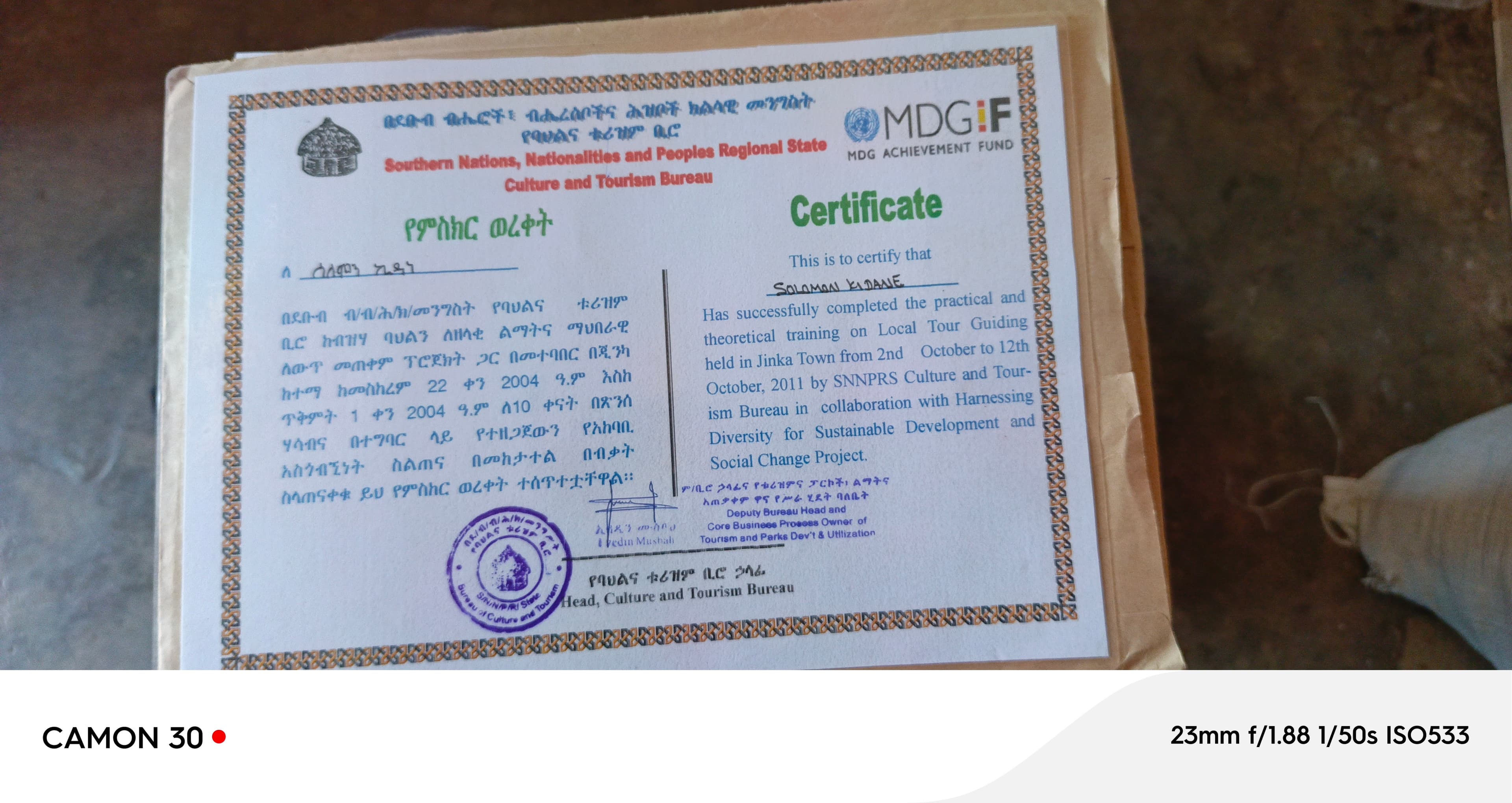
Solomon Kidane is the founder of Omo Valley Tour Ethiopia, a local tour operator with roots in Jinka. Originally from the Omo Valley, he has more than 15 years of experience guiding international travelers throughout southern Ethiopia. His work focuses on authentic cultural experiences, responsible community visits and private journeys through the diverse landscapes of the Omo Valley.
Website: https://omovalleytourethiopia.com
Share:

Discussion0