
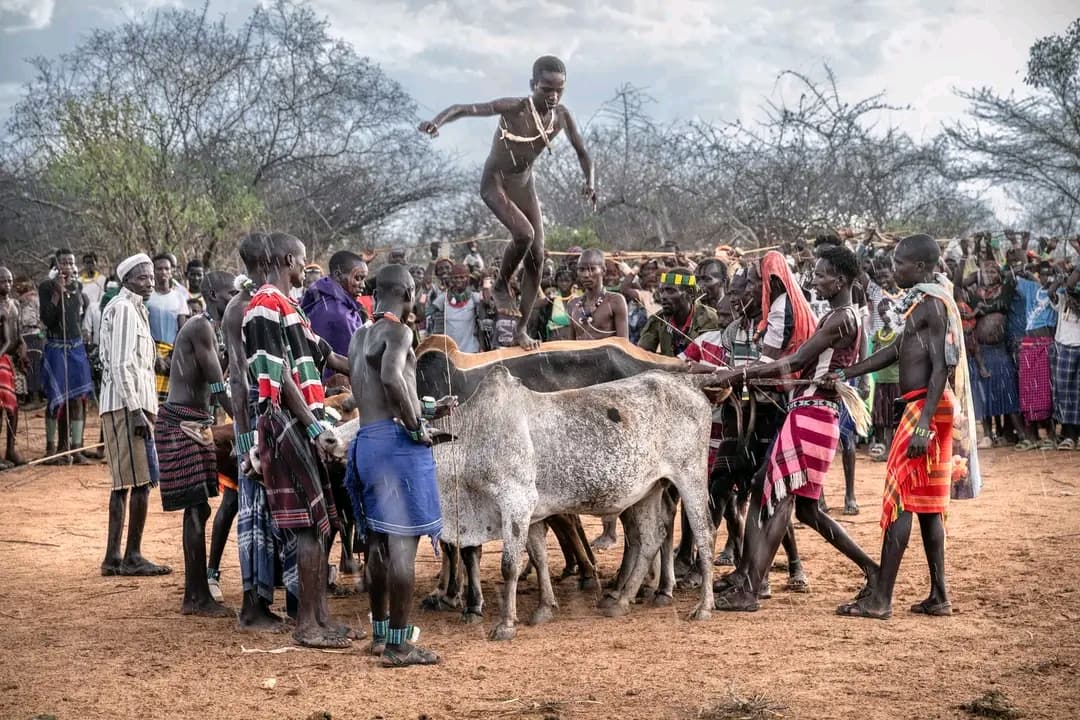
There are few cultural experiences in Ethiopia as remarkable and meaningful as witnessing a traditional Hamer bull-jumping ceremony in the Lower Omo Valley.
There are few cultural experiences in Ethiopia as remarkable and meaningful as witnessing a traditional Hamer bull-jumping ceremony in the Lower Omo Valley. For visitors traveling through southern Ethiopia, it can become one of the most memorable moments of their journey.
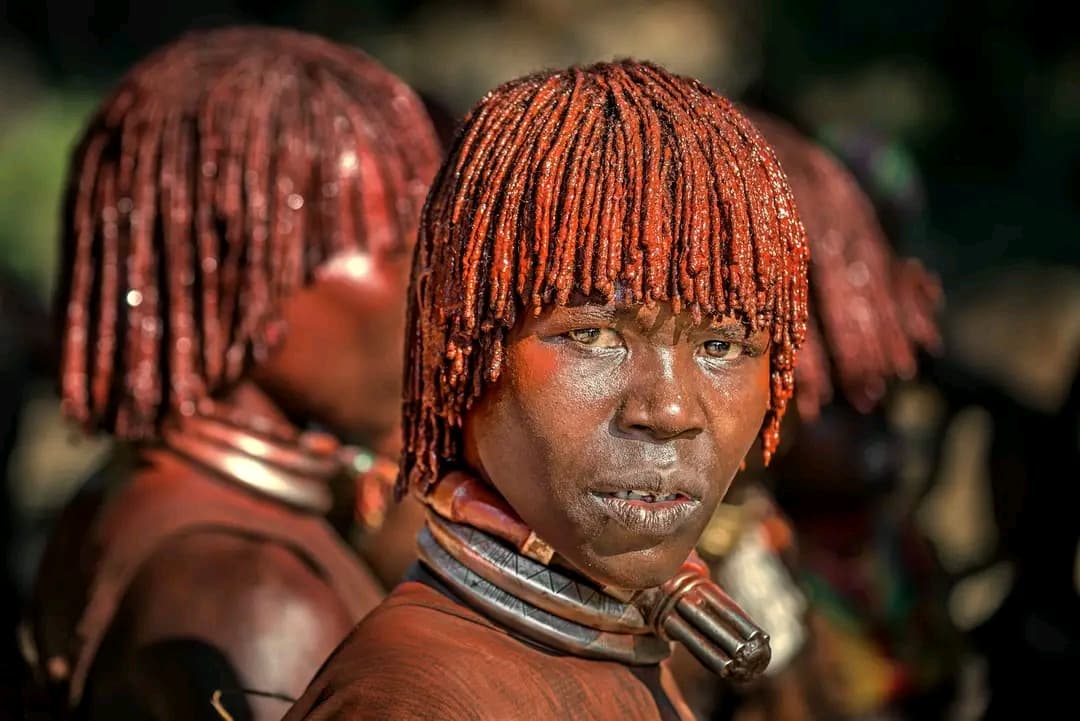
Located mainly around Turmi and the surrounding villages in South Omo, the Hamer people are well known for their distinctive cultural traditions, traditional hairstyles, colorful beadwork and strong connections to cattle.
As a local tour guide originally from Jinka, I have spent many years introducing international travelers to the communities and traditions of the Omo Valley. Among the experiences that leave a lasting impression on visitors is the Hamer bull-jumping ceremony, locally known as Ukuli Bula.
In this article, I want to explain what happens during this important cultural event, what visitors can expect and how we prepare our guests to attend respectfully and understand the significance of what they are witnessing.
Understanding the Hamer Bull Jumping Ceremony
Before attending a ceremony, it is important to understand that bull jumping is not simply a traditional performance or an activity organized for tourists.
It is a significant rite of passage in Hamer society, marking a young man's transition from boyhood into adulthood.
The young man participating in the ceremony is known as the Ukuli. Successfully completing the ritual represents an important stage in his life and his acceptance of adult responsibilities within his community.
Cattle play a central role in Hamer culture, and their importance is reflected throughout the ceremony.
The event involves family members, relatives, elders and members of the wider community. It is a deeply meaningful occasion, and preparations are made according to family and community traditions.
How We Prepared Our Guests Before the Ceremony
One of the most important parts of our responsibility as local guides is preparing visitors before they attend a traditional ceremony.
I always explain that the Hamer bull-jumping ceremony does not happen every day, nor does it follow a fixed tourist schedule.
The timing is determined by the family and community, depending on their preparations and circumstances. Therefore, we make local inquiries before and during our guests' stay to find out whether a ceremony is taking place.
Once we receive reliable information and the family agrees to receive visitors, we discuss the arrangements.
Before leaving for the ceremony, I explain several important things to our guests:
- Cultural meaning: We discuss why the ceremony takes place and what it represents in Hamer society.
- What to expect: Visitors learn about the different stages, including traditional dancing, singing, family gatherings and the main bull-jumping ritual.
- Photography etiquette: We explain the importance of asking permission and respecting local photography arrangements.
- Respectful behavior: Guests are reminded that they are attending a real family and community event, not a performance created exclusively for tourists.
- Practical preparation: We recommend comfortable clothing, drinking water, sun protection and appropriate footwear.
This preparation makes a significant difference. Instead of arriving without understanding what is happening, our guests have some cultural background and know how to behave respectfully.
What Happens During the Ceremony?
The ceremony usually brings together a large number of relatives, friends and community members. The atmosphere can be filled with traditional songs, dancing, conversations and celebrations.
One of the important parts of the event involves the women of the initiate's family. Female relatives participate in traditional dances and rituals that express their relationship with and support for the young man.
Another part of the ceremony that often surprises international visitors is the ritual whipping involving female relatives and the Maza, men who have previously completed the bull-jumping initiation.
This practice has particular cultural meanings within Hamer society, including loyalty, family bonds and obligations. It can be difficult for visitors to understand, and it should be approached with cultural sensitivity rather than treated as entertainment.
The main event is the bull jumping itself.
Several cattle are lined up closely together, creating a narrow path for the young initiate. With the assistance of experienced men, he prepares to run across their backs.
The young man must successfully cross the line of cattle several times without falling. Completing the challenge represents his transition into adulthood.
For the Hamer community, this is an important achievement, and the moment is accompanied by excitement, celebration and recognition from family members.
The Atmosphere: Music, Dancing and Community Celebration
Beyond the main bull-jumping ritual, the gathering itself is an important part of the experience.
Women wearing traditional leather clothing, colorful beadwork and metal ornaments participate in traditional dances. The sounds of bells, horns, singing and rhythmic movements create a distinctive atmosphere.
Men, women, elders and younger members of the community all have their own roles in the gathering.
For visitors, this provides an opportunity to observe the cultural relationships that connect Hamer families and communities.
I often encourage our guests not to focus exclusively on the young man jumping over the cattle. Watching the people around him, listening to the music and observing the different activities can provide a much deeper understanding of the ceremony.
What Our Guests Learn From This Experience
For many international visitors, attending a Hamer bull-jumping ceremony is an opportunity to see something they have never experienced before.
However, what makes the experience meaningful is not simply witnessing an unusual tradition.
It is understanding that the ceremony represents family relationships, social responsibilities, cultural identity and the transition into a new stage of life.
Some visitors are particularly interested in photography, while others want to understand the history and meaning behind the rituals.
As a guide, I try to help everyone appreciate the experience from a broader cultural perspective.
I also remind visitors that traditions should be approached with respect, even when certain practices may be unfamiliar or difficult for people from different backgrounds to understand.
Important Things Travelers Should Know Before Attending
If you are planning to visit the Omo Valley and hope to witness a Hamer bull-jumping ceremony, there are several important things to remember.
1. Ceremonies do not have fixed dates.
The event is organized according to family and community decisions. It cannot be guaranteed on a particular travel date.
2. Arrange your visit through a knowledgeable local guide.
Local communication is essential for finding out whether a ceremony is taking place and whether visitors are welcome.
3. Be prepared for changing schedules.
Sometimes arrangements require flexibility. A ceremony may take place outside Turmi, in a rural village that requires additional driving.
4. Respect photography rules.
Always ask before photographing people. Follow local guidance and respect anyone who does not wish to be photographed.
5. Understand that this is a real cultural event.
The ceremony is organized for the family and community, not specifically for tourists. Visitors are guests and should behave accordingly.
6. Allow enough time in your itinerary.
If attending a ceremony is an important priority, I recommend allowing some flexibility in your stay around Turmi rather than planning an extremely tight schedule.
Discover Hamer Culture With a Local Guide
The Lower Omo Valley is home to remarkable cultural diversity, and the Hamer community is one of its most fascinating examples.
Attending a bull-jumping ceremony can be an unforgettable experience, but discovering Hamer culture should not begin and end with one event.
I also encourage travelers to visit traditional Hamer villages, explore the weekly markets in Turmi and Dimeka, learn about traditional hairstyles and clothing, and spend time understanding everyday community life.
These experiences help visitors appreciate the people and traditions that make the Omo Valley such a special destination.
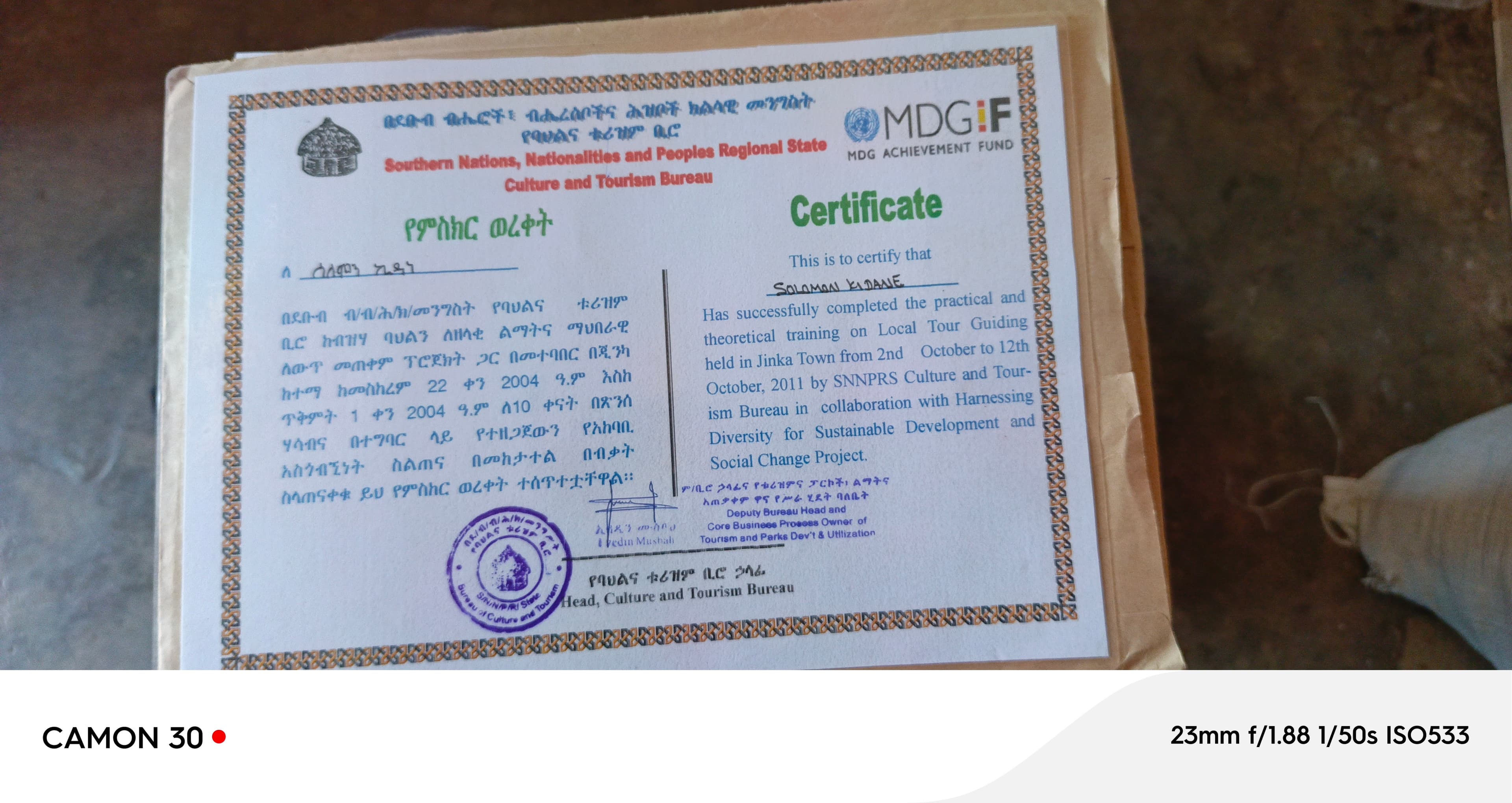
As someone originally from Jinka with more than 15 years of experience guiding travelers throughout Ethiopia, I believe that responsible cultural tourism begins with understanding, respect and genuine connections with local communities.
At Omo Valley Tour Ethiopia, we organize private and customized cultural journeys, helping visitors explore the region while respecting the traditions and daily lives of the communities we visit.
If you are planning a trip to southern Ethiopia and would like to experience Hamer culture, get in touch with us. We will be happy to help you plan your journey and make local inquiries about possible ceremonies during your visit.
About the Author
Solomon Kidane is the founder of Omo Valley Tour Ethiopia, a local tour operator based in Jinka. Originally from the Omo Valley, he has more than 15 years of experience guiding international travelers through the cultural landscapes of southern Ethiopia. His work focuses on authentic cultural experiences, responsible community visits and personalized journeys.
Share:
Discussion0