
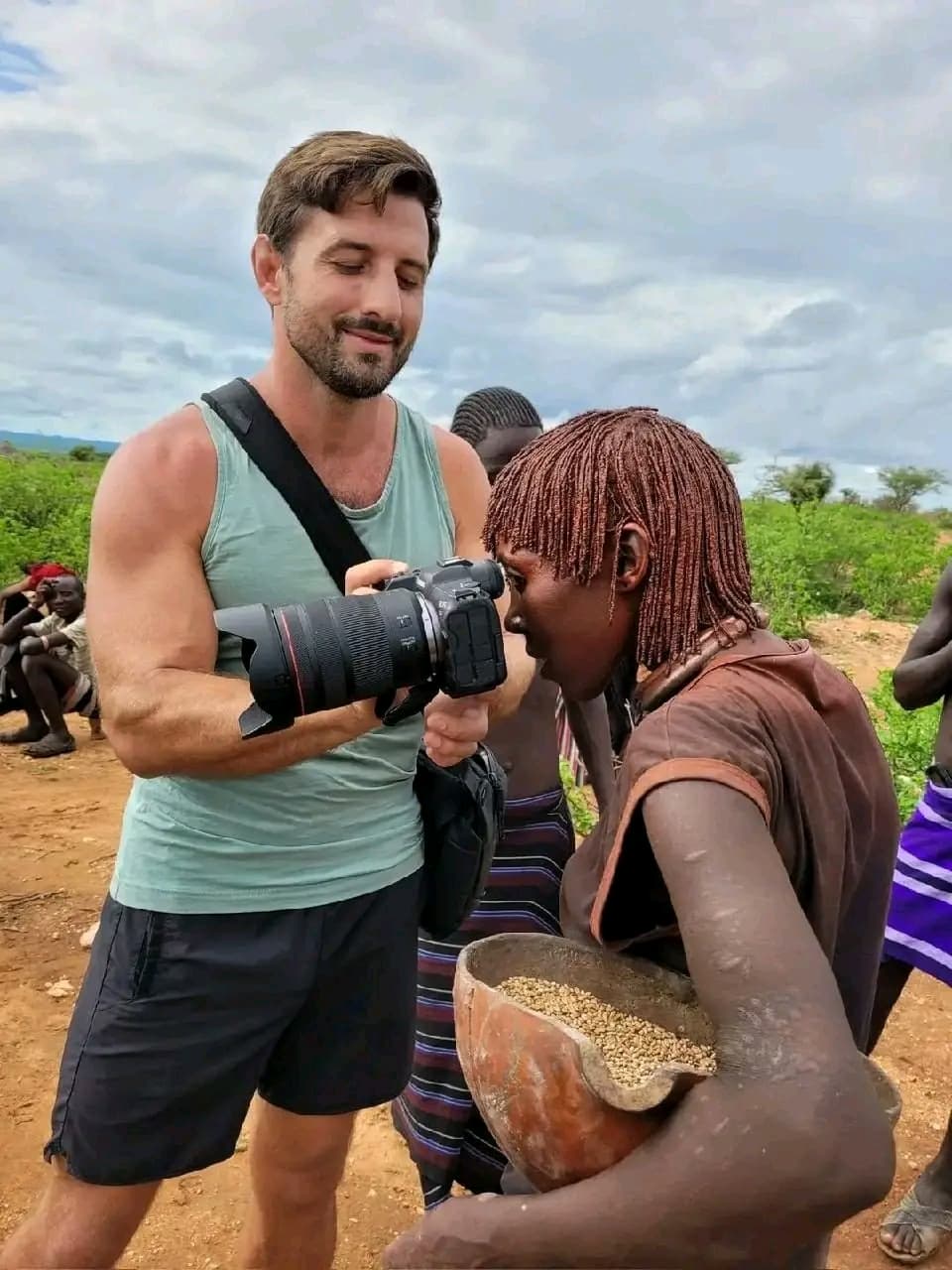
A photography expedition in Ethiopia's Omo Valley is unlike an ordinary sightseeing trip.
What I Packed for a 5-Day Omo Valley Photography Expedition (And What I Regretted)
A photography expedition in Ethiopia's Omo Valley is unlike an ordinary sightseeing trip. It is an opportunity to explore extraordinary landscapes, meet fascinating indigenous communities and photograph cultural traditions that have been preserved across generations.
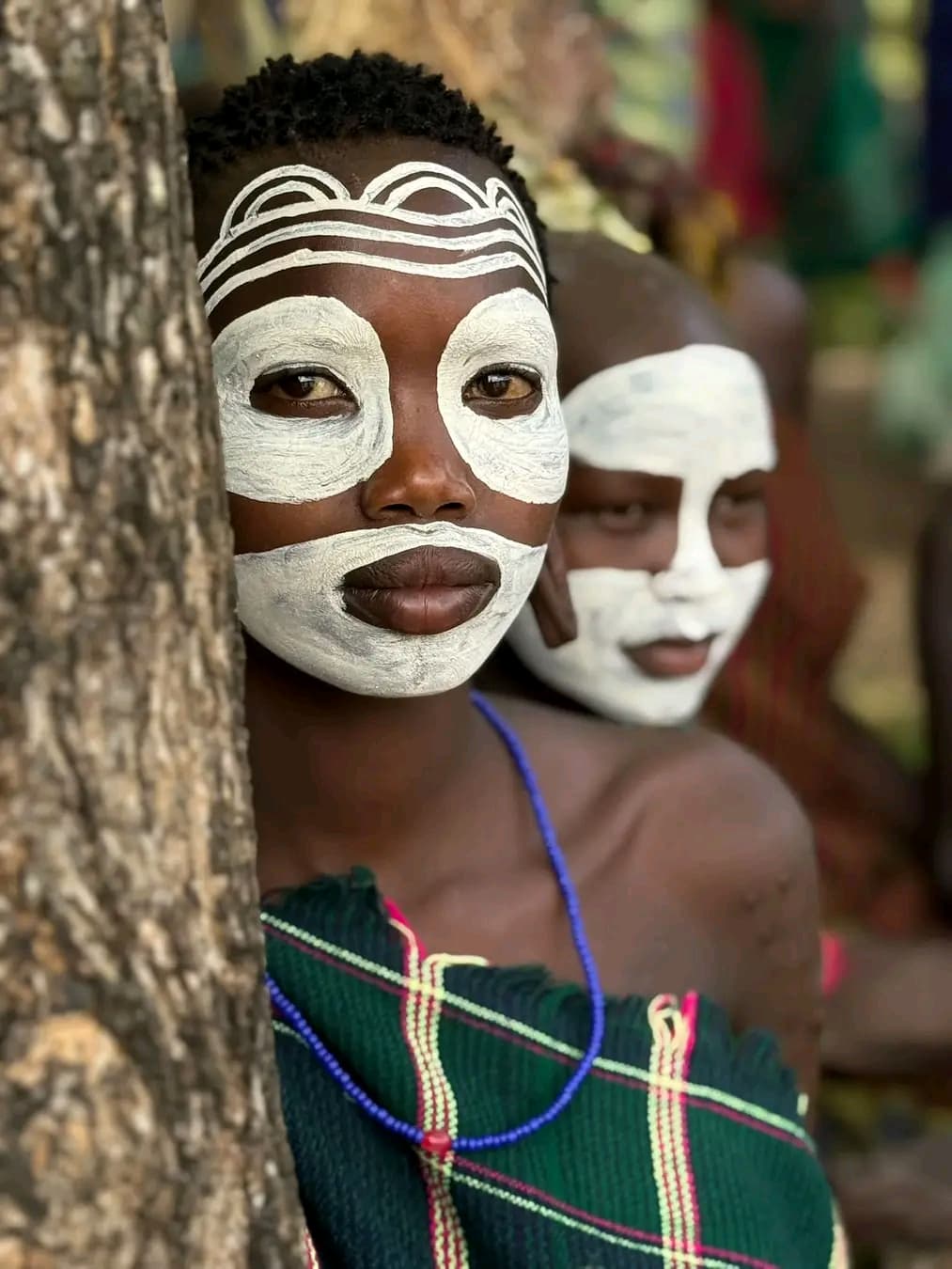
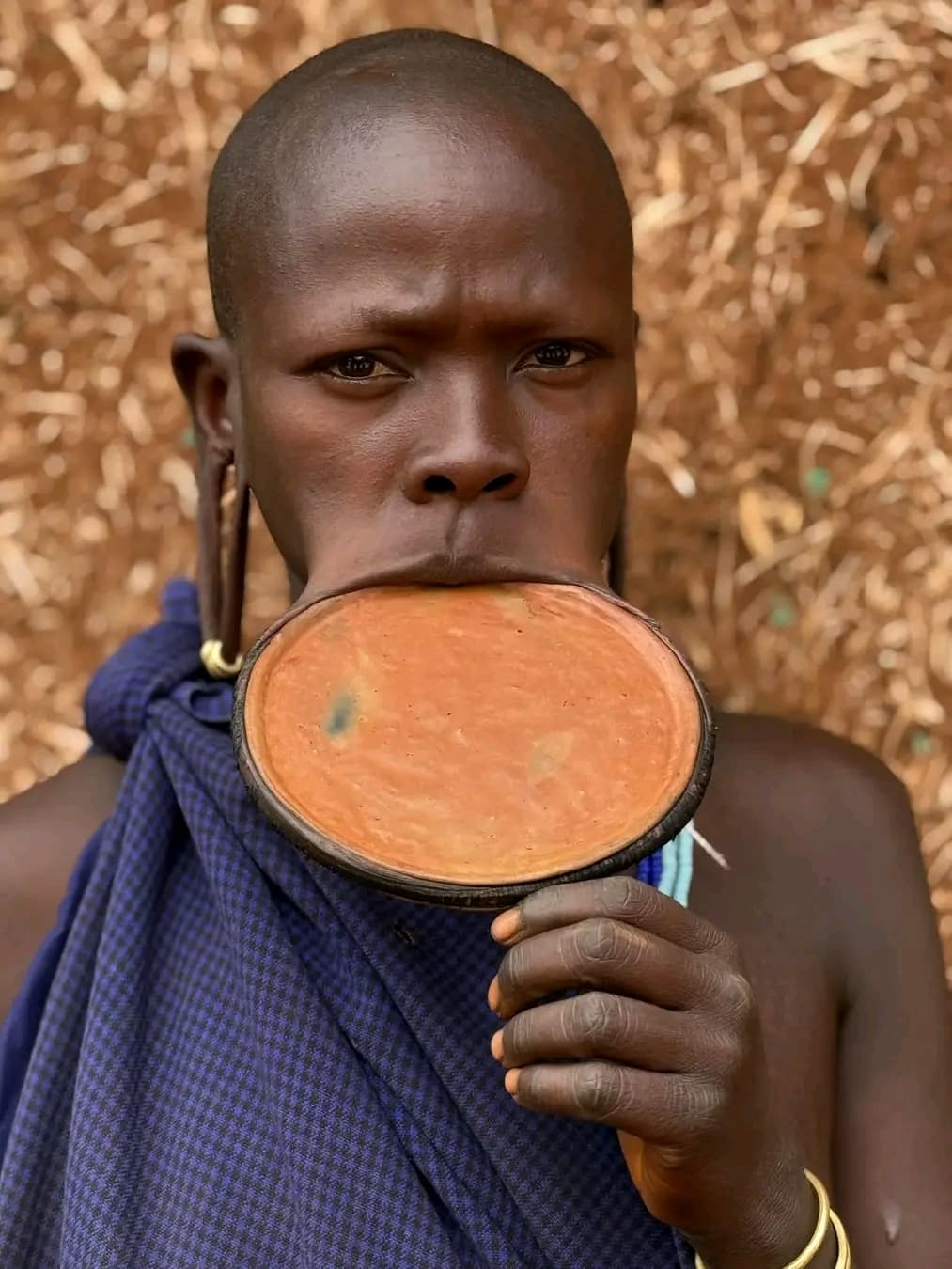
For photographers, the Lower Omo Valley offers remarkable opportunities. From the distinctive appearance and cultural traditions of the Mursi people to the colorful clothing and hairstyles of the Hamar community and the beautiful landscapes around the Omo River, every day brings something different.
However, preparing for a photography expedition in this part of Ethiopia requires more thought than simply packing a camera and a few lenses.
As a local tour guide originally from Jinka, I have spent more than 15 years guiding international visitors through the Omo Valley. Over the years, I have accompanied travelers, photographers and cultural explorers who came to document the region's people, landscapes and traditions.
Through these experiences, I have learned which items are particularly useful, what photographers sometimes forget and what can make a five-day expedition much more comfortable.
If you are planning a photography journey through the Omo Valley, here is what I recommend packing, along with some practical lessons from the road.
1. Choose the Right Camera Equipment
Your camera equipment is naturally one of the most important parts of your preparation.
The Omo Valley offers different photography opportunities, from close-up portraits and cultural details to village life, landscapes and traditional ceremonies.
I recommend bringing a reliable camera body and, if possible, a backup camera. Equipment failure in a remote area can be frustrating, especially when there are limited opportunities to replace or repair it.
For lenses, consider the following:
A 24–70mm lens: A versatile option for environmental portraits, everyday village scenes and general travel photography.
A 70–200mm lens: Useful for capturing portraits from a comfortable distance and photographing activities without constantly moving close to your subjects.
A 35mm or 50mm prime lens: Excellent for environmental portraits, storytelling and natural-looking photographs.
A wide-angle lens: Helpful for landscapes, village surroundings and photographs that include people within their environment.
You do not necessarily need every lens available. A carefully selected combination is usually more practical than carrying excessive equipment.
2. Bring Enough Memory Cards and Backup Storage
One mistake photographers should avoid is underestimating how much storage they will need.
During a five-day expedition, you may take hundreds or even thousands of photographs. If you photograph in RAW format, your files can quickly occupy a significant amount of storage.
I recommend bringing several high-capacity memory cards rather than depending on a single card.
A portable SSD or external hard drive is also useful for backing up photographs at the end of each day.
If possible, keep your memory cards and backup drive in separate secure locations. This reduces the risk of losing all your photographs if one item is damaged or misplaced.
3. Never Underestimate Dust Protection
Dust is one of the practical challenges photographers encounter while traveling through parts of South Omo.
Some roads are unpaved, and vehicles can generate considerable dust, especially during the dry season.
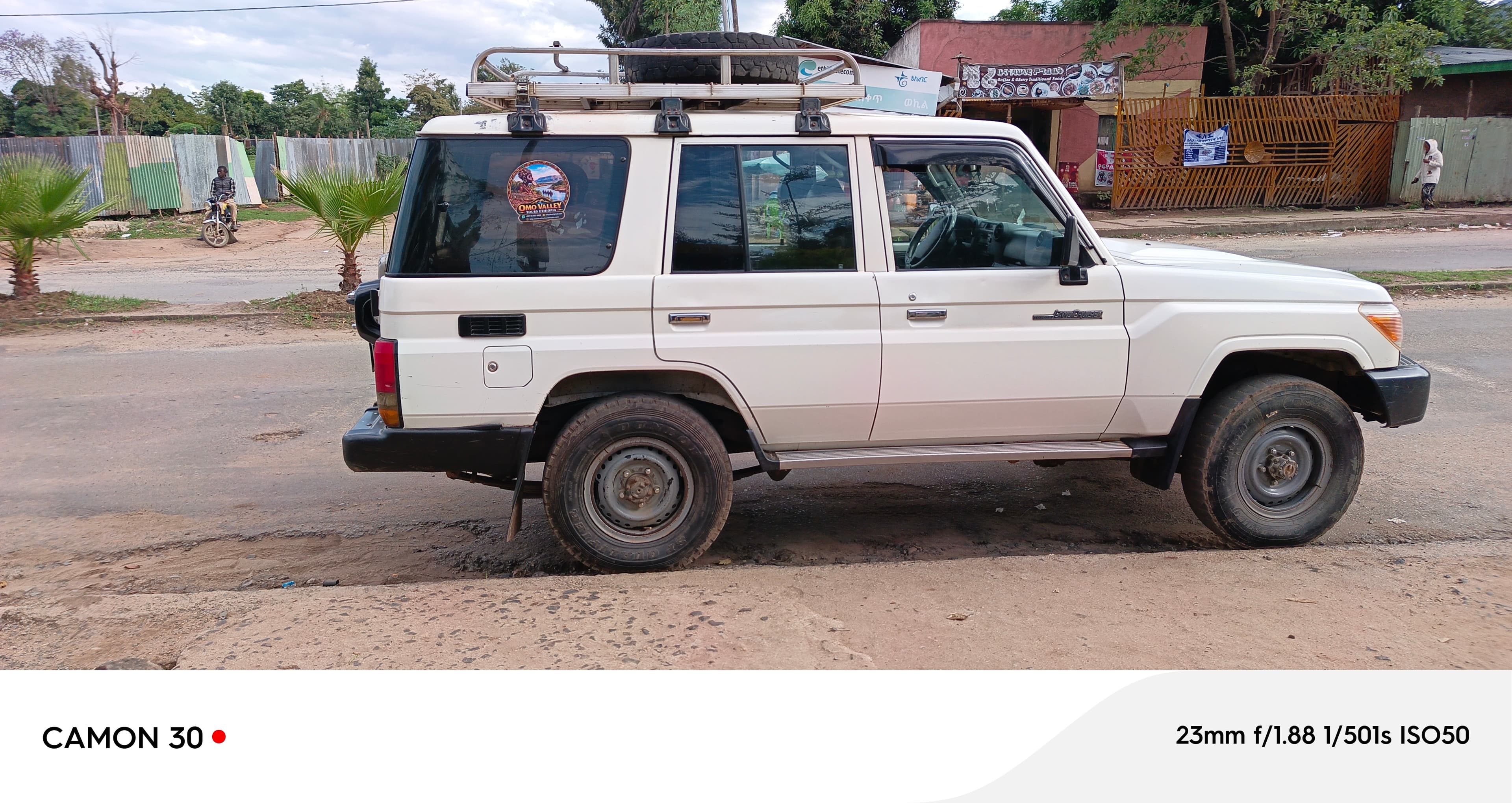
When traveling between Jinka, Turmi and surrounding villages, camera equipment should be properly protected.
I recommend packing:
- A good-quality camera rain cover or protective cover.
- A dedicated camera bag with secure compartments.
- Microfiber cleaning cloths.
- A blower for removing dust from equipment.
- Protective covers for lenses when they are not being used.
Avoid changing lenses unnecessarily in dusty environments. When changing them is necessary, try to do so inside the vehicle or in a sheltered location.
A little preparation can save you from unnecessary equipment problems.
4. Pack Extra Batteries and Charging Equipment
Another important consideration is electricity.
Although accommodation facilities in the main towns generally offer charging opportunities, electricity availability and charging convenience can vary, particularly in more remote areas.
Photographers should not assume they will always have an opportunity to recharge their batteries whenever they need to.
I recommend bringing:
- At least two or three camera batteries.
- A reliable battery charger.
- A suitable power bank.
- Charging cables for all your devices.
- A universal travel adapter if needed.
Keep your batteries charged whenever electricity is available. You do not want to miss an important photographic opportunity because your camera battery is empty.
5. Clothing and Personal Essentials
The Omo Valley has a warm climate, and daytime temperatures can be particularly high.
Lightweight, breathable clothing is generally the best choice. Neutral-colored clothing is also practical for photography activities and village visits.
For a five-day photography expedition, I recommend packing:
- Lightweight shirts and trousers.
- Comfortable walking shoes.
- A wide-brimmed hat or cap.
- Sunglasses.
- Sunscreen.
- Insect repellent.
- A reusable water bottle.
- Personal toiletries.
- A small first-aid kit.
Comfortable footwear is especially important. You may spend several hours walking around villages, visiting markets or standing in outdoor locations while photographing.
Do not pack more clothing than you need. Keeping your luggage manageable makes moving between destinations much easier.
6. Bring the Right Photography Accessories
Apart from your camera and lenses, a few smaller accessories can make a considerable difference.
A lightweight tripod: Useful for certain landscape photographs and low-light situations, although it may not be necessary for every traveler.
A camera strap: A comfortable strap helps when carrying your camera for extended periods.
A lens hood: Helps reduce unwanted light and offers some protection to the front of your lens.
A small notebook: Useful for recording village names, locations, cultural details and photographic observations.
A headlamp or small flashlight: Practical when staying in places where outdoor lighting may be limited.
These items may seem minor, but they can make your expedition more comfortable and organized.
7. What Photographers Often Regret Not Bringing
After guiding travelers through the Omo Valley for many years, I have noticed that some of the most frustrating problems are not necessarily related to expensive camera equipment.
They often involve small things that people forget.
Here are some common examples:
Not bringing enough batteries. Photography days can be long, especially when visiting multiple villages and markets.
Forgetting dust protection. Camera equipment needs extra care on dusty rural roads.
Bringing too many lenses. Heavy camera bags can become uncomfortable during long village visits.
Not carrying enough water. Spending several hours outdoors under the Ethiopian sun requires proper hydration.
Having insufficient backup storage. Losing photographs because of a damaged memory card or full storage can be extremely disappointing.
Packing unsuitable footwear. Comfortable shoes are important when walking through rural communities and uneven terrain.
My advice is simple: prioritize practical equipment, comfort and protection rather than bringing everything you own.
8. Understanding Cultural Photography in the Omo Valley
One of the most important aspects of a photography expedition is understanding the people and communities you are photographing.
The Omo Valley is home to several indigenous communities, including the Mursi, Hamar, Karo, Banna and Dassanech.
Each community has its own traditions, clothing, ceremonies and ways of life.
For photographers, these communities provide extraordinary opportunities for cultural documentation. However, photography should always be approached with respect.
Before photographing someone, ask permission and follow local guidance regarding photography arrangements and fees.
A knowledgeable local guide can help explain cultural traditions, communicate with community members and arrange visits appropriately.
I always encourage photographers to spend time understanding the people they meet rather than treating every encounter as an opportunity to take another picture.
The best cultural photographs often come from patience, mutual respect and genuine interaction.
9. Plan Your Five-Day Photography Route Carefully
A successful photography expedition depends not only on equipment but also on good planning.
The Lower Omo Valley is geographically diverse, and travel between communities can take time. A well-designed itinerary allows photographers to explore different locations without spending the entire journey inside a vehicle.
A five-day expedition might include:
Day 1: Jinka and the Mursi region
Explore the cultural landscapes around Jinka and arrange a visit with the Mursi community, depending on access and local arrangements.
Day 2: Key Afer and the Banna community
Experience the traditional market in Key Afer when the weekly schedule allows, and explore Banna community life.
Day 3: Turmi and Hamar villages
Discover Hamar culture, traditional hairstyles, clothing and village life. If a bull-jumping ceremony is taking place and the family welcomes visitors, it may be possible to attend.
Day 4: Karo communities and the Omo River
Travel towards Korcho to explore Karo culture, distinctive body painting and the spectacular landscape overlooking the Omo River.
Day 5: Additional cultural experiences and return journey
Depending on the itinerary, season and interests of the photographers, use the final day for additional village visits, photography opportunities or travel back towards Jinka.
The exact route should be adapted to market days, community activities, road conditions and the photographer's interests.
For more specialized photography projects, additional days may be necessary, particularly when exploring remote communities.
10. My Final Advice: Travel Prepared, But Remain Flexible
After more than 15 years of guiding travelers through southern Ethiopia, one thing I have learned is that the best experiences cannot always be planned down to the last minute.
Weather changes, road conditions, community activities and local events can influence a photography itinerary.
A good photography expedition therefore requires preparation, patience and flexibility.
Bring reliable equipment, protect your camera from dust, carry enough batteries and storage, and make sure you are physically comfortable throughout the journey.
Most importantly, remember that the Omo Valley is not simply a destination for beautiful photographs. It is home to people, families and communities with their own histories, traditions and everyday lives.
Approach every visit with curiosity and respect.
Planning a Photography Expedition to the Omo Valley?
At Omo Valley Tour Ethiopia, we organize customized cultural and photography expeditions for international travelers interested in exploring the remarkable communities of southern Ethiopia.
Based in Jinka and with deep roots in the Omo Valley, we understand the local roads, communities and practical arrangements needed for a successful journey.
Whether you are an experienced photographer, a documentary filmmaker or simply passionate about cultural photography, we can help you plan an expedition according to your interests and available time.
Contact us to discuss your photography journey through the Omo Valley.
About the Author
Solomon Kidane is the founder of Omo Valley Tour Ethiopia. Originally from Jinka, he has more than 15 years of experience guiding international travelers throughout Ethiopia, with a particular focus on the cultural communities of the Lower Omo Valley. His work is dedicated to authentic cultural experiences, responsible tourism and personalized photography expeditions.
Share:
Discussion0