

Learn how to visit the Omo Valley in Ethiopia. Discover how to get there, the best time to travel, local communities, tour costs and travel tips.
How to Visit the Omo Valley, Ethiopia: A Complete Travel Guide
The Omo Valley in southern Ethiopia is one of Africa's most fascinating destinations for cultural travel and adventure. Known for its extraordinary cultural diversity, traditional communities, colorful local markets, and beautiful landscapes, the region offers travelers an experience unlike anywhere else in the world.
Home to communities such as the Hamar, Mursi, Karo, Dassanech, Banna, Arbore, and Nyangatom, the Omo Valley provides an opportunity to discover different traditions, lifestyles, ceremonies, and cultural practices.
But how do you actually visit the Omo Valley? Where should you start? How many days do you need? What is the best way to travel around the region?
This complete travel guide explains everything you need to know before planning your Omo Valley adventure.
1. Where Is the Omo Valley in Ethiopia?
The Omo Valley is located in southwestern Ethiopia, particularly in the South Omo region. The area takes its name from the Omo River, which flows southward through the region toward Lake Turkana.
The region is internationally known for its cultural diversity and archaeological importance. The Lower Valley of the Omo is also recognized as a UNESCO World Heritage Site.
The main gateway for travelers exploring South Omo is Jinka, a town that serves as an important administrative, cultural, and transportation center.
Other important towns and destinations include:
- Jinka
- Turmi
- Dimeka
- Key Afer
- Omorate
- Kangaten
- Konso
Each destination offers different cultural experiences and opportunities to meet local communities.
2. How to Get to the Omo Valley
There are two main ways to reach the Omo Valley: by domestic flight or by road from Addis Ababa.
Option 1: Fly from Addis Ababa to Jinka
Flying from Addis Ababa to Jinka is one of the most convenient ways to begin your Omo Valley tour.
Jinka has a domestic airport with Ethiopian Airlines connections. Once you arrive, you can meet your local guide and driver and begin exploring the surrounding communities.
This option is particularly suitable for travelers with limited time who want to concentrate on the cultural attractions of South Omo.
Option 2: Fly to Arba Minch and Travel by Road
Another option is to fly from Addis Ababa to Arba Minch and continue south by road.
This route allows travelers to discover additional destinations, including:
- Dorze Village
- Lake Chamo
- Konso Cultural Landscape
- Jinka and surrounding communities
- Turmi and the Hamar region
It is an excellent choice for travelers who want to combine nature, culture, and traditional village experiences.
Option 3: Travel by Road from Addis Ababa
Travelers who have more time can reach the Omo Valley by road from Addis Ababa.
The journey generally passes through the Ethiopian Rift Valley, Arba Minch, and Konso before reaching Jinka.
This is a longer journey, usually requiring multiple days, but it provides opportunities to explore other parts of southern Ethiopia along the way.
For exploring the Omo Valley itself, a private 4x4 vehicle with an experienced driver and local guide is highly recommended.
3. Which Communities Should You Visit in the Omo Valley?
One of the main reasons people travel to the Omo Valley is to meet its diverse indigenous communities.
Every community has its own cultural identity, traditions, and way of life. Here are some of the most interesting places to include in your itinerary.
The Mursi Community
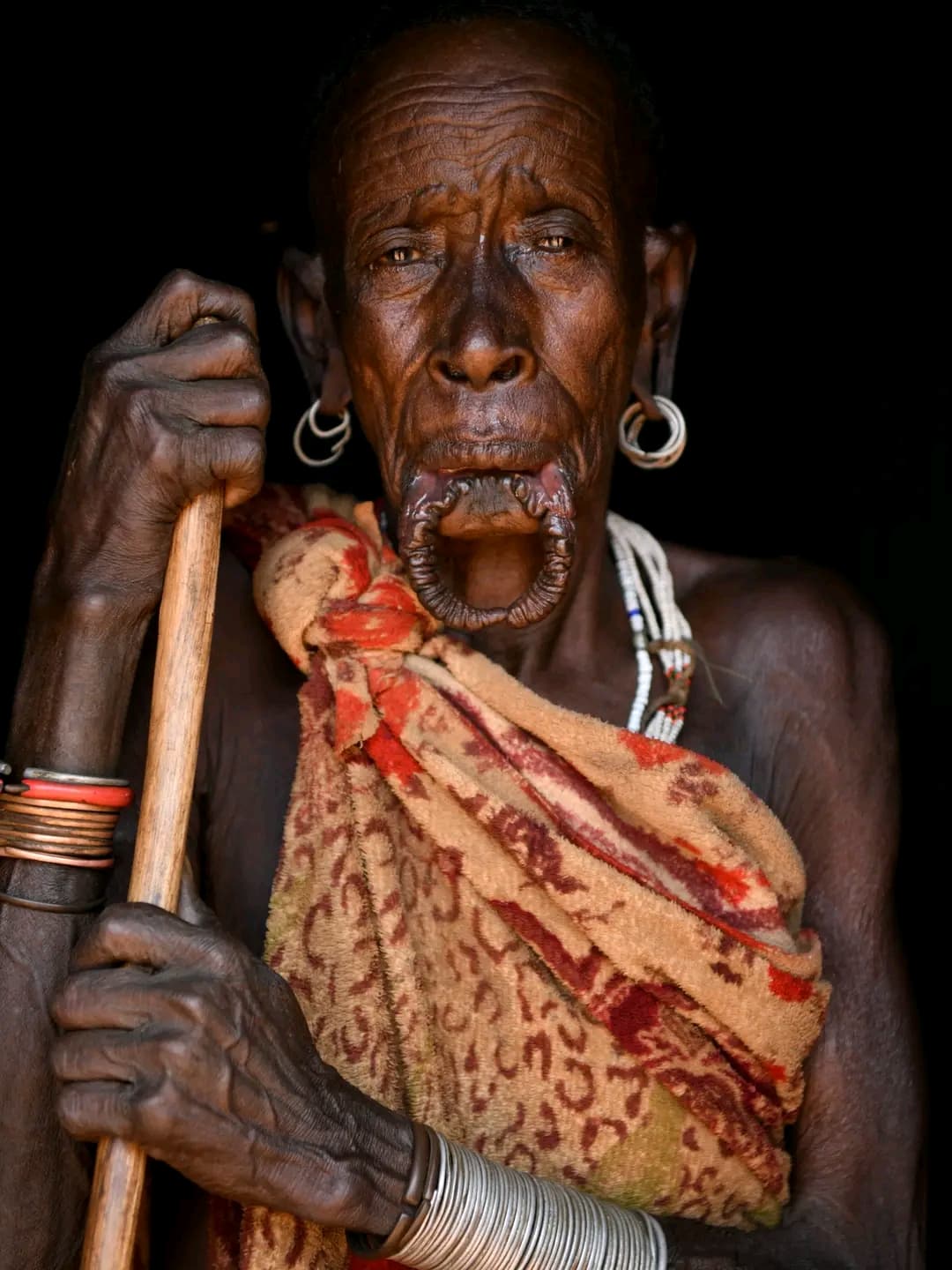
The Mursi are among the best-known communities of the Omo Valley. They are internationally recognized for the traditional lip plates worn by some Mursi women, as well as their distinctive body decorations and cultural practices.
A visit offers an opportunity to learn about their traditional lifestyle, cattle culture, and community identity.
The Hamar Community
The Hamar people are known for their beautiful hairstyles, colorful bead decorations, traditional clothing, and strong cultural traditions.
One of their most famous ceremonies is the bull-jumping ceremony, an important traditional coming-of-age event for young men.
Travelers may also have opportunities to experience traditional Hamar music and dancing, including Evangadi celebrations when they take place.
The Karo Community
The Karo people live along the eastern banks of the Omo River. They are particularly famous for their elaborate body painting and artistic decorations.
Korcho Village is one of the most interesting places to visit, offering spectacular views of the Omo River and surrounding landscapes.
The Dassanech Community
The Dassanech people live around Omorate, close to the Kenyan border.
Their lifestyle is closely connected to the Omo River and the surrounding environment. Visiting the area provides an opportunity to understand their traditional livelihoods, fishing, cattle keeping, and adaptation to the challenging local climate.
The Banna Community
The Banna people live in the highlands and surrounding areas of South Omo. They share cultural connections with neighboring communities while maintaining their own distinctive traditions.
The Key Afer and surrounding areas offer opportunities to learn more about Banna culture and local market life.
The Arbore Community
The Arbore people live in the southern part of the Omo region. Their traditional lifestyle, clothing, dances, and community traditions make them another interesting destination for cultural travelers.
The Nyangatom Community
The Nyangatom live in the western parts of the Lower Omo region, particularly around Kangaten and areas near the Omo River.
They are traditionally pastoralists and have a strong cultural connection to cattle and their surrounding environment. Visits require careful local planning because of the distances and changing regional conditions.
4. How Many Days Do You Need to Visit the Omo Valley?
The number of days depends on your interests, available time, and the communities you want to visit.
Although it is possible to visit a few destinations in three days, I recommend allowing at least five or six days for a more meaningful cultural experience.
Here are some suggested itineraries:
3-Day Omo Valley Tour
Suitable for travelers with limited time who want to experience some of the region's main cultural attractions.
4-Day Omo Valley Tour
Allows more time to explore different communities, traditional markets, and cultural experiences around Jinka and Turmi.
5-Day Omo Valley Tour
A good option for visiting several communities, including the Mursi, Hamar, Karo, and Dassanech, depending on road conditions and the chosen route.
6-Day Omo Valley Tour
An excellent option for a more complete cultural journey, with time for village visits, traditional markets, the Omo River, and additional destinations.
8 to 10-Day Omo Valley Expedition
Recommended for travelers interested in photography, less-visited communities, extended cultural experiences, and a slower journey through southern Ethiopia.
5. What Is the Best Time to Visit the Omo Valley?
The Omo Valley can be visited throughout much of the year, but weather conditions can influence road access and travel arrangements.
The generally drier months from November to February are particularly convenient for exploring the region.
November to February: Generally favorable for road travel, village visits, and market experiences.
March to May: Rainfall can affect some roads, making travel to remote communities more challenging.
June to September: Conditions vary across the region. Some areas remain accessible, although rain can affect certain routes.
October: Weather and road conditions can vary, so flexibility is important.
If you want to attend a traditional ceremony such as the Hamar bull-jumping ceremony, remember that these events are organized according to family and community occasions. They do not follow a fixed tourist calendar and cannot be guaranteed on particular travel dates.
6. Can You Visit the Omo Valley Without a Tour Guide?
The Omo Valley is a remote region with different languages, local customs, long driving distances, and complicated road conditions.
Although independent travel may be possible in some areas, visiting with an experienced local guide and driver makes the journey considerably easier.
A knowledgeable guide can help you:
- Communicate with different communities.
- Understand local traditions and cultural practices.
- Arrange respectful village visits.
- Coordinate community photography arrangements.
- Plan visits around weekly market days.
- Navigate regional roads and changing travel conditions.
- Organize transportation and accommodation.
Having someone who understands the local culture makes a significant difference, especially when visiting communities outside the main towns.
7. How Much Does It Cost to Visit the Omo Valley?
The cost of an Omo Valley trip depends on the number of travelers, duration, transportation, accommodation, meals, and activities.
Private tours are generally more expensive than shared tours because the vehicle, driver, and guide are arranged for your group.
Some of the main expenses include:
- Private 4x4 transportation and fuel.
- Professional local guide services.
- Driver services.
- Accommodation.
- Community and village visit fees.
- Photography fees where applicable.
- National park and other entrance fees.
- Meals and additional activities.
There is no single fixed price for every Omo Valley tour. A customized quotation is the best way to understand the total cost of your trip.
Travelers should also clarify which services are included before confirming their booking.
8. What Should You Pack for an Omo Valley Trip?
The Omo Valley has a warm climate, dusty roads, and some remote destinations where shopping facilities are limited.
Here are some useful items to bring:
- Lightweight and comfortable clothing.
- Comfortable walking shoes or sandals.
- Sunscreen and sunglasses.
- A hat or cap.
- Insect repellent.
- Personal medication and basic first-aid supplies.
- Camera and extra batteries.
- Power bank.
- Reusable water bottle.
- Small amounts of cash in Ethiopian birr.
If you are interested in photography, bring sufficient memory cards and batteries, as charging opportunities can be limited during some parts of the journey.
9. Responsible and Respectful Cultural Tourism in the Omo Valley
Visiting the Omo Valley is a unique opportunity, but it is important to remember that the communities are not tourist attractions. They are people with their own families, traditions, responsibilities, and daily lives.
Responsible tourism begins with respect.
Here are some important guidelines:
- Always ask permission before taking photographs.
- Respect people who do not wish to be photographed.
- Agree on photography arrangements and fees before taking pictures.
- Listen to your guide's cultural explanations.
- Avoid treating traditional ceremonies as performances arranged for tourists.
- Support local markets, craftspeople, and community businesses.
- Be patient and allow time for genuine interactions.
A meaningful Omo Valley experience is not simply about how many villages you visit. It is about understanding the people, their traditions, and their relationship with the land.
10. Why Start Your Omo Valley Tour in Jinka?
Jinka is one of the most convenient starting points for exploring the Omo Valley.
It provides access to several important cultural destinations and serves as a practical base for organizing trips to nearby communities.
Starting in Jinka allows travelers to explore the Mursi and Banna areas before continuing toward Turmi, where they can discover Hamar culture and other southern communities.
Depending on the itinerary, the journey can continue toward Omorate, the Omo River, Arbore, and other destinations.
Jinka is also home to local tourism professionals who have firsthand knowledge of the region and its communities.
For travelers interested primarily in the Omo Valley, starting in Jinka can save time and allow more days to be spent exploring the region rather than traveling long distances from the capital.
11. Book Your Omo Valley Tour with a Local Guide
Planning an Omo Valley trip becomes much easier when you work with someone who knows the region, its people, and its local travel conditions.
Omo Valley Tour Ethiopia specializes in private, customized, and small-group cultural tours throughout southern Ethiopia.
Our company was founded by Solomon Kidane, a local guide born and raised in Jinka, with more than 15 years of experience in tourism and guiding travelers throughout the region.
We organize tours that introduce visitors to the cultural diversity of the Omo Valley through local knowledge, meaningful community visits, and carefully planned itineraries.
Whether you are looking for a three-day cultural trip, a six-day Omo Valley adventure, or an extended photography expedition, we can customize your journey according to your interests, available time, and budget.
Our tours can start in Jinka and finish in Arba Minch, or follow a return route to Jinka.
Ready to explore the Omo Valley?
Contact Omo Valley Tour Ethiopia to receive a personalized itinerary and quotation.
Website: https://omovalleytourethiopia.com/
WhatsApp: +251 924 630 484
Email: solojinka@gmail.com
Discover the Omo Valley with a local guide and experience the cultures, landscapes, and traditions of southern Ethiopia.
Share:
Discussion0