
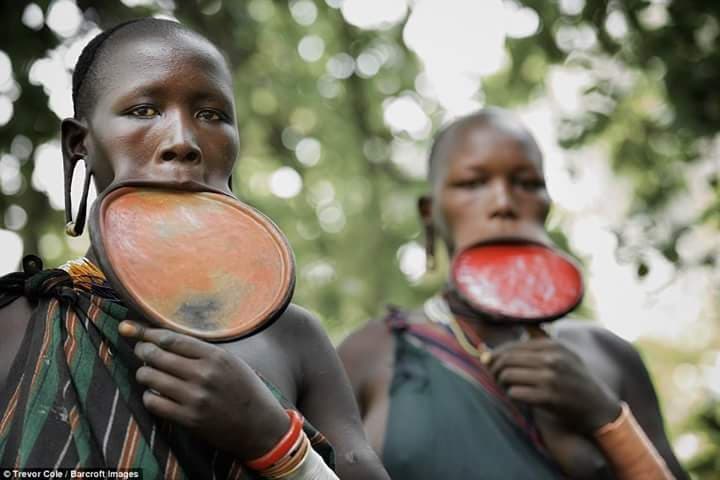
Discover the Cultural Heart of Southern Ethiopia Planning an Omo Valley tour in Ethiopia is an opportunity to discover one of the country's most culturally diverse regions. Located in southern Ethiopia, the Lower Omo Valley is home to communities with distinctive traditions, clothing, hairstyles, ceremonies, and ways of life. For many international travelers, visiting the Omo Valley is one of the most memorable parts of their Ethiopian journey. However, planning the right trip requires more than choosing a few villages on a map. You need to consider how many days to spend in the region, which communities you want to visit, how to travel between destinations, where to stay, and how to approach cultural encounters respectfully. As a local guide based in Jinka, I believe the best Omo Valley tours are those that give travelers enough time to understand the places they visit rather than simply rushing from one village to another. In this guide, I will explain how to plan your trip, choose an itinerary, estimate your budget, and prepare for a meaningful cultural experience in southern Ethiopia. 1. Where Should You Start Your Omo Valley Tour? For many travelers exploring the Lower Omo Valley, Jinka is an excellent starting point. Jinka is an important town in southern Ethiopia and a convenient base for visiting several communities in the surrounding region. It provides access to destinations associated with the Mursi, Ari, Benna, Hamar, and other local communities, depending on the route and travel conditions. From Jinka, travelers can plan journeys toward Turmi, where visits to Hamar communities and nearby markets may be arranged. Longer itineraries can include Karo villages overlooking the Omo River and the Dassanech area near Omorate. Your starting point may depend on your arrival arrangements. Some travelers fly from Addis Ababa to Jinka, while others reach the region by road from destinations such as Arba Minch. If you are short on time, starting in Jinka can make it easier to organize a cultural itinerary without spending additional days traveling through southern Ethiopia. Local tip: Before booking your domestic flights, discuss your proposed itinerary with your tour operator. The order of visits can affect driving time, accommodation arrangements, and the villages you can realistically reach. 2. Which Tribes and Communities Can You Visit? One of the main reasons people book Omo Valley tours in Ethiopia is the opportunity to learn about the region's diverse communities. Each community has its own history, traditions, and contemporary way of life. The experience depends on where you travel, the time available, local circumstances, and the interests of your group. The Mursi The Mursi are among the best-known communities of the Lower Omo Valley. Some Mursi women traditionally wear clay lip plates, a practice associated with cultural identity, although customs and personal choices vary between individuals. Visitors can learn about Mursi life, family traditions, cultural identity, and the changes affecting communities in the region. For a meaningful visit, it is important to remember that the Mursi are people living their everyday lives, not a cultural exhibition created for tourists. A respectful visit should allow space for conversation, observation, and individual choice. The Hamar The Hamar people live in areas around Turmi and other parts of the region. Their cultural traditions include distinctive hairstyles, body decoration, clothing, music, and community celebrations. Some visitors hope to see the Hamar bull-jumping ceremony. However, this event does not take place every day. If attending a ceremony is important to you, let your guide know in advance so the itinerary can be planned around local information. Even without a ceremony, a visit can offer valuable insight into Hamar daily life and cultural traditions. The Karo The Karo, also known as Kara, live along the Omo River. They are particularly known for their artistic body and face painting, which can feature intricate patterns and natural pigments. A visit to the Karo area may also offer beautiful views of the river and surrounding landscape. Travel time, road conditions, and the availability of local visits should be considered when including this destination in your itinerary. The Dassanech The Dassanech live in the area around Omorate and the lower Omo River. Their lives are closely connected to the river and the surrounding environment. A visit may involve learning about local livelihoods, family life, and the challenges of living in this part of southern Ethiopia. Depending on current arrangements and local conditions, reaching communities in this area may involve additional transport planning. The Benna and Other Communities The Benna, sometimes spelled Banna, are another community travelers may encounter in the region. Their villages and surrounding areas can be included in selected cultural itineraries. Other communities may also be accessible depending on your interests, route, and available time. My recommendation: Do not try to visit every community in the shortest possible time. Choose the places that interest you most and allow enough time for travel and meaningful encounters. 3. How Many Days Do You Need for an Omo Valley Tour? One of the most common questions travelers ask is how long they should spend in the Omo Valley. The answer depends on your budget, interests, arrival point, and the communities you want to visit. A One-Day Cultural Tour A one-day excursion can be suitable for travelers who have limited time and want to visit a particular destination from Jinka. For example, a day trip to a Mursi village may be possible, depending on the destination, road conditions, and local arrangements. However, one day is not enough to explore the wider Lower Omo Valley. A Three-Day Omo Valley Tour Three days can provide an introduction to the region and allow travelers to visit selected Mursi and Hamar areas. A possible itinerary might include: Day 1: Travel from Jinka to a Mursi village and explore the surrounding area. Day 2: Travel toward Turmi, with selected cultural visits along the way. Day 3: Visit Hamar communities or a local market before continuing to your next destination. This is an example rather than a guaranteed schedule. The final itinerary should account for road conditions, market days, local events, and your onward travel plans. A Five-Day Omo Valley Tour Five days allows for a more relaxed experience and can make it easier to include additional destinations. Depending on your interests, a five-day journey may include: Mursi communities near Mago National Park. Benna communities and local markets. Hamar villages around Turmi. Karo communities near the Omo River. Additional time for cultural visits and photography. This duration can be a good choice for travelers who want to explore several communities without rushing through every stop. A Seven-Day Omo Valley Tour Seven days provides greater flexibility for travelers interested in a wider cultural journey. A longer itinerary may include selected destinations around Jinka and Turmi, Karo communities, the Dassanech area near Omorate, and Konso if the route and travel arrangements permit. More time also allows flexibility when weather, road conditions, or local events affect the original plan. My advice: If your main goal is to understand the cultural diversity of the Lower Omo Valley, consider spending at least three days in the region. Five to seven days can offer a more comprehensive experience. 4. How Much Does an Omo Valley Tour Cost? The cost of an Omo Valley tour in Ethiopia varies depending on the length of the trip, group size, vehicle, accommodation standard, destinations, and services included. A private tour may cost more than joining a shared group, but it can offer greater flexibility over the itinerary and pace of travel. Before comparing quotations, make sure you understand what each price includes. What affects the price? Transportation: The vehicle type, fuel consumption, driving distances, and road conditions all influence the total cost. Guide and driver: Professional guiding and driving services are important parts of a well-organized trip. Accommodation: Hotel prices vary by destination and comfort level. Longer itineraries generally require more overnight stays. Village and site fees: Visits may involve locally agreed fees, community payments, or entrance fees, depending on the destination and activity. Meals: Some packages include meals, while others leave meals for travelers to arrange independently. Group size: A private tour for one or two people may have a different per-person cost from a trip shared by a larger group. Additional destinations: Adding distant villages or changing the route can increase driving time and expenses. How can you compare tour quotations? Before confirming a booking, ask your tour operator: Is the vehicle and fuel included? Are the guide and driver included? How many nights of accommodation are included? Are meals included? Are village, park, and other applicable fees included? Is the itinerary private or shared? Are domestic flights included, or must you book them separately? What happens if road conditions or local events require changes? A clear quotation helps you understand what you are paying for and reduces the possibility of unexpected expenses during your trip. At Omo Valley Tour Ethiopia, travelers can contact us to discuss their dates, group size, preferred destinations, and budget before receiving a proposed itinerary. 5. Should You Travel Privately or Join a Group? Both options can work well. The right choice depends on your budget, travel style, and priorities. Private Omo Valley Tours A private tour is suitable for travelers who want to customize their itinerary. You can discuss which communities interest you most, how much time you want to spend at each destination, and whether you prefer a relaxed pace. Private tours can also be useful for couples, families, photographers, and small groups with particular cultural interests. Shared Group Tours A shared tour may help travelers reduce their individual costs by sharing transportation and other expenses with fellow travelers. However, the itinerary and departure arrangements may be less flexible, depending on the operator. If you want to join a group, ask about the group size, confirmed departure date, itinerary, and services included. Which option is best? If you have specific interests or limited travel dates, a private tour may be the better fit. If your priority is reducing costs and you are comfortable following a shared itinerary, a group tour may be worth considering. The most important thing is to choose an arrangement that suits your expectations and provides a clear understanding of the services offered. 6. When Is the Best Time to Visit the Omo Valley? The best time for your trip depends partly on your preferred activities and the destinations you want to visit. Travelers often favor periods when road conditions are more manageable. However, the weather can vary, and conditions in southern Ethiopia do not always follow a simple pattern. If you want to attend a particular market or cultural ceremony, the timing of your visit may be just as important as the season. Planning Around Markets Local markets provide opportunities to observe trade, social interaction, and everyday life. Markets do not take place every day in every town. If visiting a particular market is important to you, check its usual market day and confirm the schedule before traveling. Planning Around Cultural Ceremonies Some travelers hope to witness traditional ceremonies, including Hamar bull jumping. These events depend on local circumstances and cannot be guaranteed for a particular date. A responsible guide should explain what is known about the schedule and avoid promising an event that has not been confirmed. What About the Rainy Season? Rain can affect road conditions and journey times in parts of the region. Some routes may become more difficult, and plans may need to change. Before traveling, ask about current conditions for your proposed route rather than relying only on general seasonal advice. Useful tip: Share your travel dates with your guide as early as possible. This gives you more time to plan around markets, potential ceremonies, domestic flights, and accommodation. 7. How Do You Travel Around the Omo Valley? The Lower Omo Valley covers a large area, and distances that look short on a map can take longer to travel than expected. Road surfaces, weather, stops along the route, and local conditions all affect journey times. Travel by 4WD Vehicle A four-wheel-drive vehicle is often a practical choice for itineraries that include remote villages and rough roads. It can provide flexibility when traveling between Jinka, Turmi, and other destinations, although the suitability of a vehicle always depends on the actual road conditions. For longer routes, ask your operator which vehicle will be used and whether the planned itinerary is realistic for the available time. Domestic Flights Some travelers fly between Addis Ababa and Jinka to reduce the amount of time spent traveling overland. If you plan to take a domestic flight, confirm the flight schedule and arrange your tour around the arrival and departure times. Leave a reasonable margin for delays and avoid planning a demanding journey immediately before an important international flight. Travel Between Jinka and Turmi Jinka and Turmi are important bases for many Lower Omo Valley itineraries. Travel between them can be combined with visits to selected communities and markets, depending on your route. Rather than choosing stops solely by distance, discuss your priorities with your guide. A well-planned itinerary should account for travel time and the experiences you want to include. 8. How Can You Visit Local Communities Respectfully? A cultural tour should benefit from curiosity, patience, and respect. The communities of the Omo Valley are not simply tourist attractions. They are living communities whose members have their own priorities, customs, and personal boundaries. Here are a few ways to make your visit more respectful. Ask Before Taking Photographs Always ask permission before photographing someone. Some people may agree to be photographed, while others may prefer not to be. Respect their decision. If a photography fee applies, agree on it openly before taking the photograph. Learn Rather Than Assume Avoid assuming that every person in a community follows the same traditions. Cultural practices can vary between families and individuals, and traditions can change over time. Ask questions and listen to local explanations rather than relying entirely on stereotypes or information found online. Be Patient A village visit should not become a race to collect photographs. Allow time for explanations and conversation where possible. Be prepared for plans to change when local circumstances require it. Follow Local Guidance Your guide can help explain appropriate behavior, local expectations, and the arrangements for visiting a community. Responsible tourism begins with recognizing that the people you meet have the right to decide how they participate in a visitor's experience. 9. What Should You Pack for an Omo Valley Tour? Packing depends on your travel dates and the length of your journey, but a few items are useful for most trips. Consider bringing: Comfortable, lightweight clothing. Walking shoes suitable for uneven ground. A hat and sun protection. Reusable drinking-water equipment where practical. Personal medication and basic travel essentials. A camera or phone, if you enjoy photography. Cash in suitable denominations for expenses that cannot be paid electronically. Any necessary travel documents and copies of important reservations. If your itinerary includes several overnight stops, pack so that your luggage is easy to manage when moving between destinations. Ask your tour operator whether accommodation, meals, drinking water, and other essentials are included in the package. 10. Why Choose a Local Guide Based in Jinka? Choosing a guide who knows the region can make planning easier. A local guide can help you understand the distances between destinations, organize visits, explain cultural context, and adapt the itinerary when conditions change. Local knowledge is particularly useful when your trip depends on market days, community availability, or a ceremony that may not take place on a fixed schedule. At Omo Valley Tour Ethiopia, we organize cultural journeys from Jinka and help travelers plan visits according to their interests, available time, and budget. Our aim is to offer more than a quick sequence of stops. We want visitors to gain a better understanding of the communities they meet while approaching each visit with respect. Whether you are interested in the Mursi, Hamar, Karo, Dassanech, Benna, or several communities on one journey, we can discuss the available options and suggest a realistic itinerary. We also encourage travelers to ask questions before booking so that the route, price, and included services are clear from the beginning. 11. Frequently Asked Questions About Omo Valley Tours Is three days enough for an Omo Valley tour? Three days can provide a useful introduction to selected communities, particularly if you start in Jinka. If you want to explore more destinations and travel at a relaxed pace, consider five to seven days. Can I visit a Mursi village from Jinka in one day? A one-day visit may be possible, depending on the village, road conditions, and local arrangements. Confirm the destination and expected return time with your guide before booking. How much does an Omo Valley tour cost? The price depends on the duration, group size, vehicle, accommodation, meals, fees, and other included services. Request a detailed quotation so you can compare packages fairly. Can I see the Hamar bull-jumping ceremony? Possibly, but ceremonies do not take place every day and cannot be guaranteed for a particular date. Tell your guide if this is a priority so they can check the available information. Is a private Omo Valley tour worth it? A private tour may be worthwhile if you value flexibility, have particular cultural interests, or want to travel at your own pace. A shared group may be more economical for travelers comfortable with a fixed itinerary. Should I book my tour before arriving in Ethiopia? Booking in advance is advisable if your dates are fixed, especially when you need domestic flights, particular accommodation, or a customized itinerary. Confirm all arrangements before making non-refundable bookings. Can I customize my Omo Valley itinerary? Many itineraries can be adapted to your interests and available time. Discuss your preferred communities, arrival point, departure arrangements, and budget with your operator before confirming the route. Plan Your Omo Valley Tour with a Local Guide The Lower Omo Valley offers an opportunity to learn about the diverse communities of southern Ethiopia and experience a part of the country that many travelers find unforgettable. The best trip is not necessarily the one that visits the most places. It is the one that matches your interests, allows enough time for travel, and approaches local communities with respect. Whether you are planning a short cultural excursion from Jinka or a longer journey through the Lower Omo Valley, careful preparation will help you make better use of your time. Omo Valley Tour Ethiopia can help you plan a cultural tour based on your dates, group size, interests, and budget. Contact us to start planning your trip: Website: Omo Valley Tour Ethiopia� WhatsApp: +251 924 630 484 Email: solojinka@gmail.com Based in: Jinka, southern Ethiopia Tell us when you plan to visit, how many people are traveling, and which communities you would most like to meet. We will help you explore the available options and plan a suitable itinerary.
Book direct with local guides: no agency feesMon to Sat, 9AM to 6PM (EAT)
69e651ec04e09f81b895e1ea
How to Plan an Omo Valley Tour in Ethiopia: Routes, Costs, Tribes, and Travel Tips
Solomon Kidane1 min read
Planning an Omo Valley tour in Ethiopia? Discover which tribes to visit, how many days to spend, estimated travel costs, transport options, and tips from a local guide based in Jinka.
Share:
Keep reading
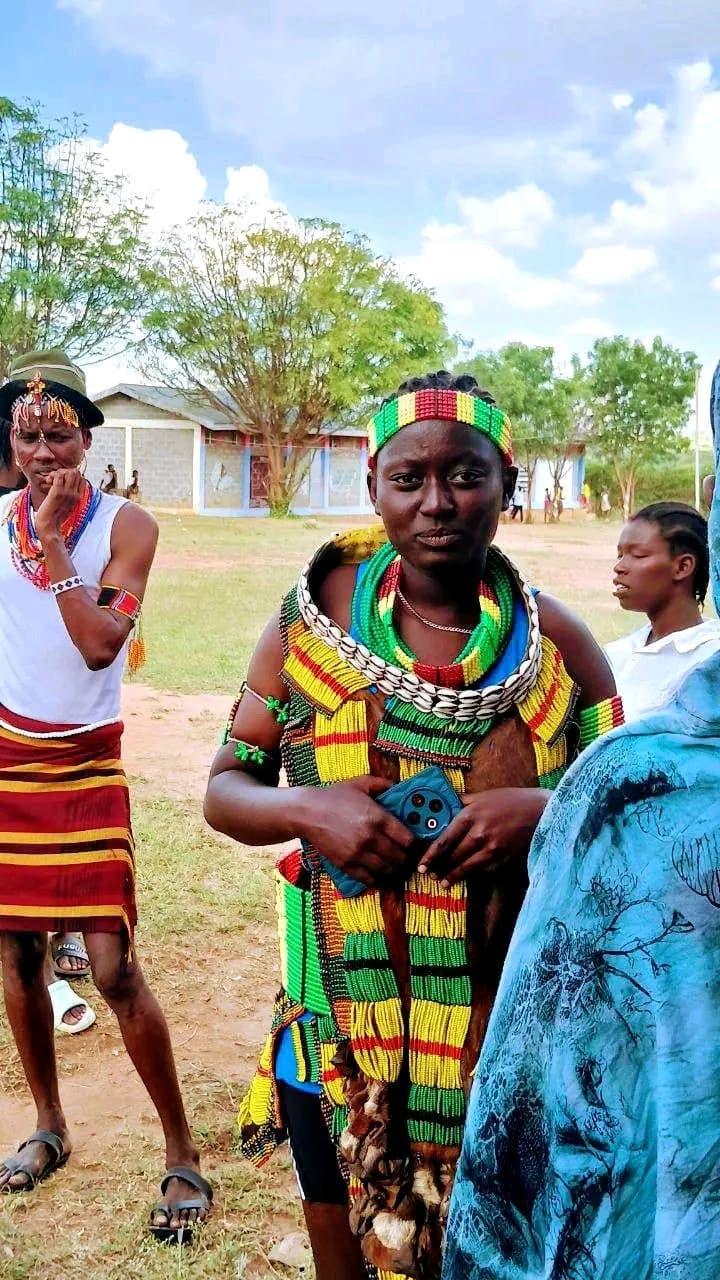
Is Omo Valley Worth Visiting? An Honest Guide to Southern Ethiopia
Yes, the Omo Valley is absolutely worth visiting if you are interested in cultural diversity, traditional ways of life, local markets, and…
Read →
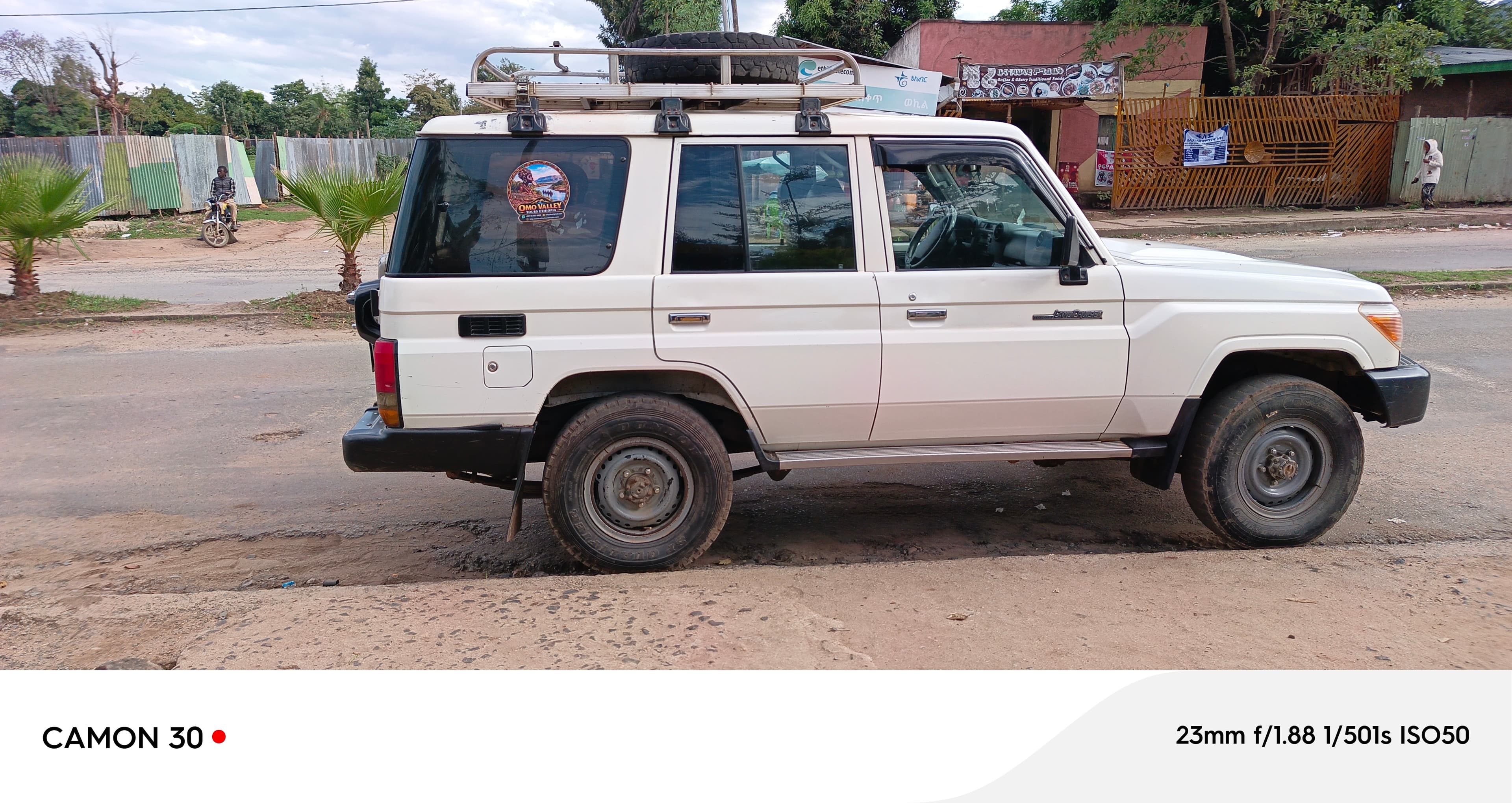
Why You Need a 4×4 Vehicle for an Omo Valley Tour in Ethiopia
Choosing the Right Vehicle for Your Omo Valley Adventure The Omo Valley in southern Ethiopia is one of the country's most fascinating destinations…
Read →

Discover the Mursi People of Ethiopia: Culture, Traditions, and Travel Guide
Discover the Mursi People of Ethiopia: A Journey into the Heart of Omo Valley Culture Introduction: Meet the Mursi People Hidden within the…
Read →
Let us plan your Omo Valley journey
Tell us your dates and interests. A local guide replies with a proposed route and a clear price.
Discussion0